
Home
The best sulfur filter for well water is a filtration system that removes hydrogen sulfide gas from the home water supply. This equipment uses air injection or specialized media to neutralize the bad smell. It treats all the water at the main entry point of the house. This ensures every faucet in the home provides fresh and clean water.
Sulfur in well water creates a heavy rotten egg smell. This scent fills the air near kitchen sinks, bathroom showers, and drinking glasses. Hydrogen sulfide gas makes this odor. The gas forms deep underground. Natural minerals and soil bacteria create the gas. Many homes with wells deal with this problem every day. Sulfur ruins the taste of the water. It makes the water feel bad during a bath or shower. A sulfur filter pulls this odor out of the water. It keeps the water fresh and clean in every part of the house.
Water Filter Way acts as a trusted guide for well water owners. The brand helps people get clear and odor-free water. We explain sulfur filter systems in simple words by providing a comparison of the best options for every home. We also share clear steps to help families pick the right sulfur filter for well water.
What Does Sulfur in Well Water Mean for Your Home?
Sulfur in well water comes from natural minerals found deep in the ground. This sulfur mixes with water and creates hydrogen sulfide gas. Hydrogen sulfide gives water a strong rotten egg smell that spreads through the home. The smell becomes stronger during hot showers and while running taps. Sulfur also changes the taste of drinking water. Water with sulfur tastes bitter and unpleasant. This smell and taste affect cooking, cleaning, and daily water use. Sulfur in water leaves sinks, tubs, and pipes with an ongoing odor that makes the water feel unsafe and uncomfortable to use.
Why Does Sulfur Appear in Well Water?
Sulfur appears in well water due to natural minerals found deep in the soil and rock layers. These minerals break down over time and release sulfur into groundwater. Natural bacteria also live underground and feed on sulfur compounds. This process creates hydrogen sulfide gas that mixes with the well water.
Wells draw water directly from these underground sources. The sulfur gas stays trapped in the water and travels through pipes into the home. This process leads to the rotten egg smell that many well water users notice during daily water use.
What Are The Signs of Sulfur in Well Water?
The signs of sulfur in well water include a rotten egg smell, bad-tasting water, smelly sinks and showers, and stains on fixtures and laundry. Homes with sulfur in water show clear signs that make it easy to notice. These signs affect smell, taste, and even the appearance of water in daily use. Checking for these signs helps decide if a sulfur filter is needed.
The signs of sulfur in well water include:
- Rotten egg smell
Hydrogen sulfide gas gives water a strong rotten egg odor. The smell spreads through taps, showers, and sinks, becoming more noticeable when water heats up.
- Bad taste in drinking water
Water with sulfur tastes bitter or sour. Drinking it feels unpleasant, and cooking with it may change the flavor of meals and beverages.
- Smell from sinks and showers
A sulfur smell moves through the pipes and ends up in bathrooms and kitchens. This bad smell makes it unpleasant to take a shower or wash dishes.
- Stains on fixtures and laundry
Sulfur can leave yellow or brown marks on sinks, tubs, faucets, and clothes. These stains are hard to remove and show that the water quality is compromised.
How Sulfur Filters for Well Water Work?
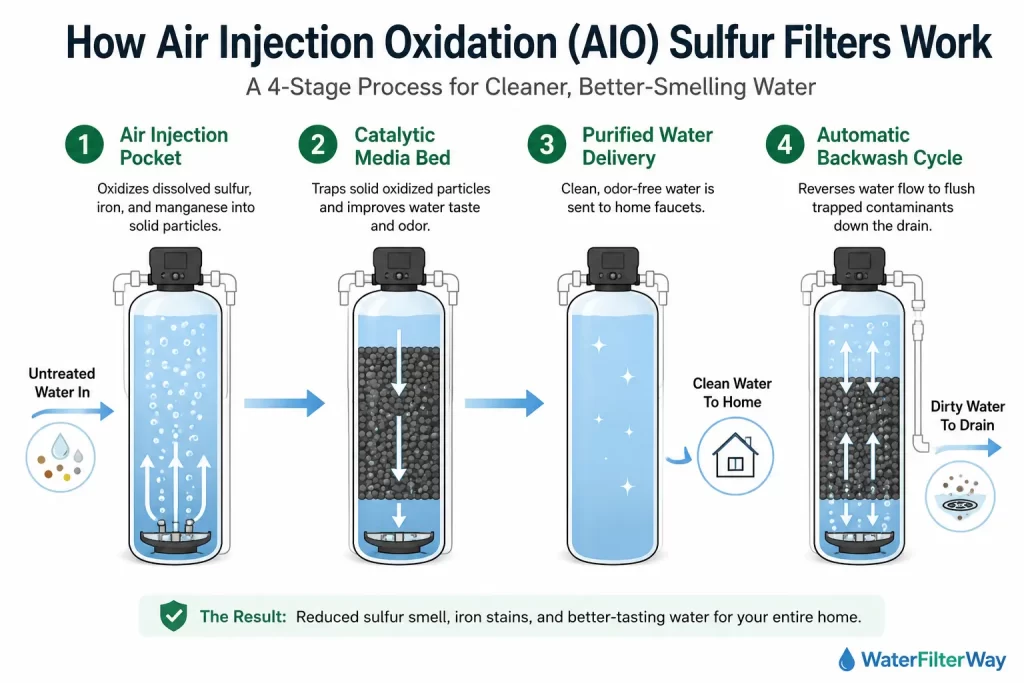
Sulfur filters for well water work by removing hydrogen sulfide gas and other particles that make water smell and taste bad. They use a combination of air, filter media, and water flow control to keep water fresh, clean, and safe for daily use.
Sulfur filters for well water work by:
Air Injection Oxidation Process
Air mixes with water to change sulfur from gas into solid particles. This process makes it easy for the filter to trap sulfur. Air injection also improves the water taste and removes the strong rotten egg smell throughout the home.
Filter Media Used for Sulfur Removal
Filters use different media to remove sulfur. Catalytic carbon traps sulfur and improves taste. Iron media reacts with hydrogen sulfide to remove odor. Resin media captures remaining particles, keeping water clean and clear.
Automatic Backwash System
The backwash system automatically flushes the filter. It takes out sulfur, dirt, and other junk. This keeps the filter running well without needing to clean it by hand and ensures clean water for the whole house.
Flow Rate and Pressure Management
Filters control water speed and pressure to work best. Proper flow lets the media remove sulfur efficiently. It also protects pipes and plumbing from damage caused by high pressure or sudden surges.
What are the Key Features to Check Before Buying a Sulfur Filter?
The key features to check before buying a sulfur filter are sulfur removal strength, maintenance, media life, and certifications. Picking the right system depends on how well it removes sulfur, how easy it is to maintain, and whether it meets quality standards. Checking these features helps homes get clean, odor-free water reliably.
The key features to check before buying a sulfur filter are:
- Sulfur Removal Strength
What makes a sulfur filter strong enough for your home is very important. Choosing the right system ensures every faucet delivers fresh, clean water while protecting appliances, fixtures, and laundry from staining or taste issues.
The most important factors for these are
- Hydrogen sulfide handling level
Filters handle different levels of hydrogen sulfide gas. Choosing a system that matches your water’s sulfur level ensures the odor is removed effectively.
- Whole-house water flow
Filters must support the flow rate of your entire home. Proper flow keeps water pressure steady and clean water available in every faucet.
- Support for iron and manganese
Some filters take out iron and manganese. These minerals can change the taste and color of your water and cause stains. A good filter can deal with more than one type of problem.
- Maintenance and Media Life
A filter that requires minimal effort saves time, reduces costs, and ensures the system continues removing sulfur, iron, and other minerals effectively. Regular upkeep extends the life of the media, prevents clogging or odor issues, and maintains steady water flow throughout the home.
For better maintenance and media Life follow the instructions below:
- Backwash cycles
Automatic or manual backwash flushes trapped sulfur and particles. Regular backwash keeps the filter working efficiently.
- Media lifespan
Filter media gets used up over time. The longer it lasts, the less often you need to replace it, and the better the water stays clean.
- Simple upkeep steps
Check your filters, clean the parts, and stick to a regular schedule. Keeping up with this makes sure your water stays safe and easy to handle.
- Certifications That Show Filter Quality
Certified systems meet strict safety and performance standards and play a huge role in checking the efficiency of your filter.
Some of the important certifications are
- National Sanitation Foundation American National Standards Institute 42 (NSF ANSI 42). Ensures filters improve water taste and reduce odor.
- National Sanitation Foundation American National Standards Institute 53 (NSF ANSI 53). Confirms filters remove health-related contaminants.
- National Sanitation Foundation American National Standards Institute 401 (NSF ANSI 401). Shows effectiveness against emerging chemicals in water.
- National Sanitation Foundation American National Standards Institute 372 (NSF ANSI 372). Ensures filters meet lead-free requirements.
- Water Quality Association Gold Seal. Verifies overall performance, safety, and efficiency for home use.
What Are The Best Sulfur Filters for Well Water?
| FEATURE | PRO+AQUA PRO-WELL-1E | Sulfur Eliminator Deluxe | AFWFilters AIS10-25SXT | AFWFilters Platinum |
|---|---|---|---|---|
| Price | Higher Upfront Cost | Moderate Upfront Cost | Moderate to higher upfront cost | Moderate to higher upfront cost |
| Filtration Stages | Advanced Multi-Media Bed + Digital Backwash | Venturi Aeration + Two Filter Units | Air Injection Oxidation + Specialized Media | Air Injection Oxidation + Filox Media (or similar) |
| Flow Rate / GPD | High Flow for Large Homes | Works with most residential systems | Approximately 10-12 GPM | Around 10-12 GPM (Average home use) |
| NSF Certifications | Built to Industry Quality Standards | Not listed with formal third-party certifications | Standard industry quality | Industry quality standards; no specific NSF listed |
| Filter Life | Long Media Life with Automatic Backwash | Filter replaced typically yearly | Several years with proper maintenance | Several years with normal water use |
| Warranty | 5-Year Warranty | Not Listed | Not Listed | Not Listed |
| Best For | Heavy Sulfur, Iron, Heavy Metals | Natural Sulfur Gas Removal Without Electricity | Efficient Iron, Sulfur Smell, and Manganese Removal | Steady Water Flow with Iron or Sulfur Smells (2+ Bathrooms) |
The best sulfur filters for well water remove hydrogen sulfide, iron, and manganese effectively while improving taste and smell. These systems provide whole-house protection, steady water flow, and easy maintenance. They keep water clean and safe to drink, cook with, bathe in, and use for laundry. They also stop stains on sinks and fixtures and protect your appliances. Picking the right filter gives you fresh-tasting water from every tap, making everyday use more pleasant and improving the quality of water in your home. Advanced filters with air injection or specialized media deliver long-lasting performance for families with well water challenges. The best sulfur filters for well water are:
1. PRO+AQUA Whole House Well Water Filter System
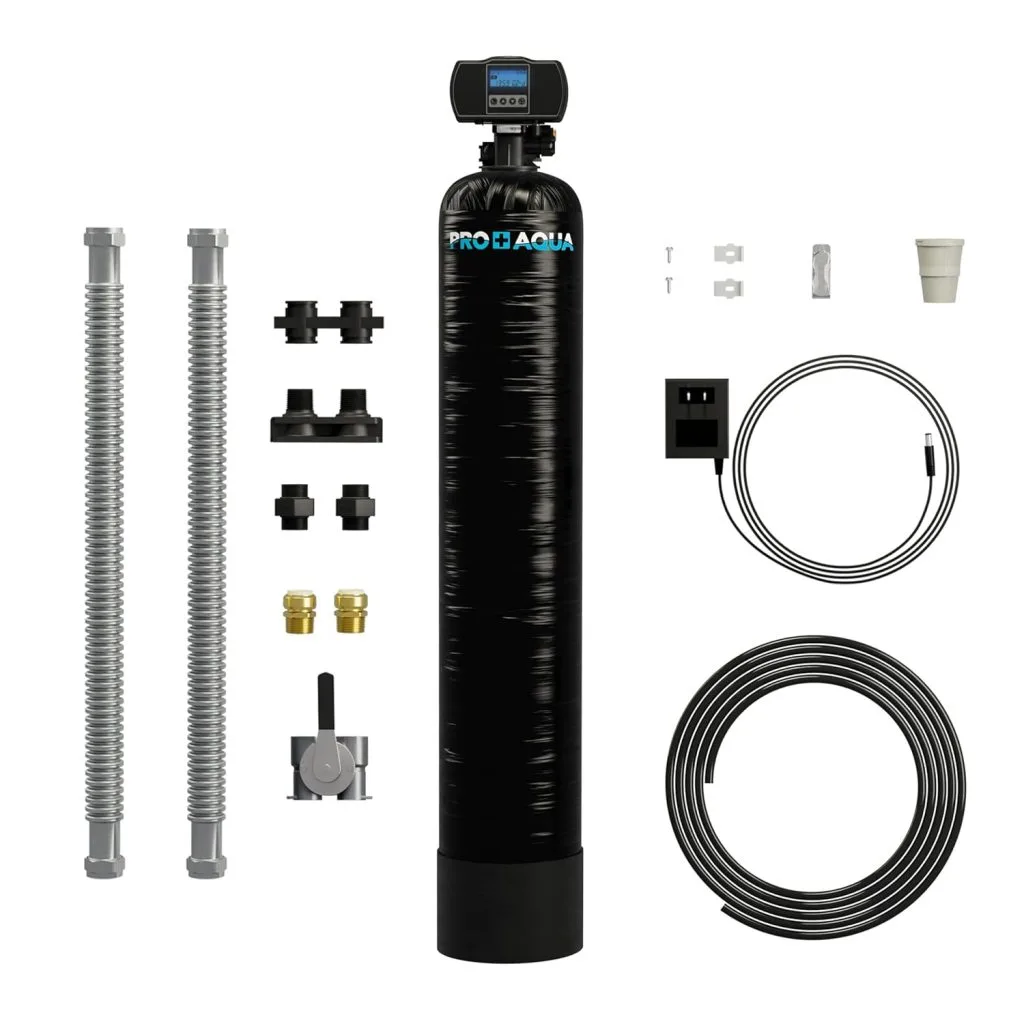
The PRO+AQUA Whole House Well Water Filter System gives powerful cleaning for well water that has sulfur, iron, heavy metals, and other common contaminants. The system uses advanced media and backwash technology to remove odor, taste problems, and particles from all water entering the home. It supports clean, fresh water for drinking, cooking, showers, and laundry for families and larger households. The system works with digital controls for automatic cleaning and simple upkeep.
| Feature | Detail |
|---|---|
| Brand | PRO+AQUA |
| Model | Whole House Well Water Filter System (PRO-WELL-1E) |
| Dimensions | Compact housing fits many basements or water closets; exact size varies by setup |
| Rated Flow Rate | Supports high flow for large homes and multiple bathrooms |
| Maximum Capacity | Designed for a whole-home water supply with a large media volume for extensive filtration |
| Purification Mechanism | Prefilled media for iron, hydrogen sulfide (sulfur), manganese, heavy metals, and other contaminants |
| Media Life | Long life with automatic backwash to keep media working longer |
| Installation Type | Whole-house inline installation before water reaches faucets and appliances |
| Certifications | Built to meet industry quality standards with a 5-year warranty and US customer support |
| Current Price | Check Price |
Filtration Technology and Performance
The PRO+AQUA system uses special media to remove sulfur smells, iron, manganese, zinc, lead, and other bad minerals. The digital valve automatically decides when to clean the system based on how much water is used, and its quality is good, so everything stays working well. This technology captures contaminants that make water smell bad, improves taste, and helps keep pipes and appliances cleaner.
Contaminants and Reduction Rate
This system removes:
- Hydrogen sulfide, which causes a rotten egg smell
- Iron and manganese cause staining and taste issues
- Heavy metals such as lead, copper, and zinc
- Sediment and particles from well water
These reductions provide water that is clearer and more pleasant for drinking, cooking, and bathing.
Certification and Trust
PRO+AQUA backs its quality with a five-year warranty and ongoing support from the U.S. The digital controls and strong parts are made in the U.S., giving you confidence in how well it will work over time.
Cost of Ownership and Maintenance
- System Cost: It costs more upfront because it’s designed for the whole house and has high-tech features.
- Maintenance: It’s easy to take care of, with automatic cleaning and digital controls that handle most of the work.
- Media Life: The filter media lasts a long time, especially with regular use, thanks to a backwash system that keeps it working well.
Summary
| What We Like | What We Do Not Like |
| Strong sulfur and iron odor removal | Higher upfront cost compared with basic filters |
| Automatic cleaning with digital control | Slightly complex installation for some homes |
| Built for large homes and heavy use | |
| Durable construction with long media life | |
| US-based support and warranty |
Our Final Verdict
The PRO+AQUA Whole House Well Water Filter System is perfect for homes with sulfur, iron, or high mineral content in their well water. It has automatic cleaning and digital controls, and it effectively removes bad smells and contaminants. The system gives you clean, fresh water from every faucet. It’s easy to maintain and works reliably, making it a great option for families who want clean water throughout their home.
2. The Sulfur Eliminator Deluxe Well Water Filter System
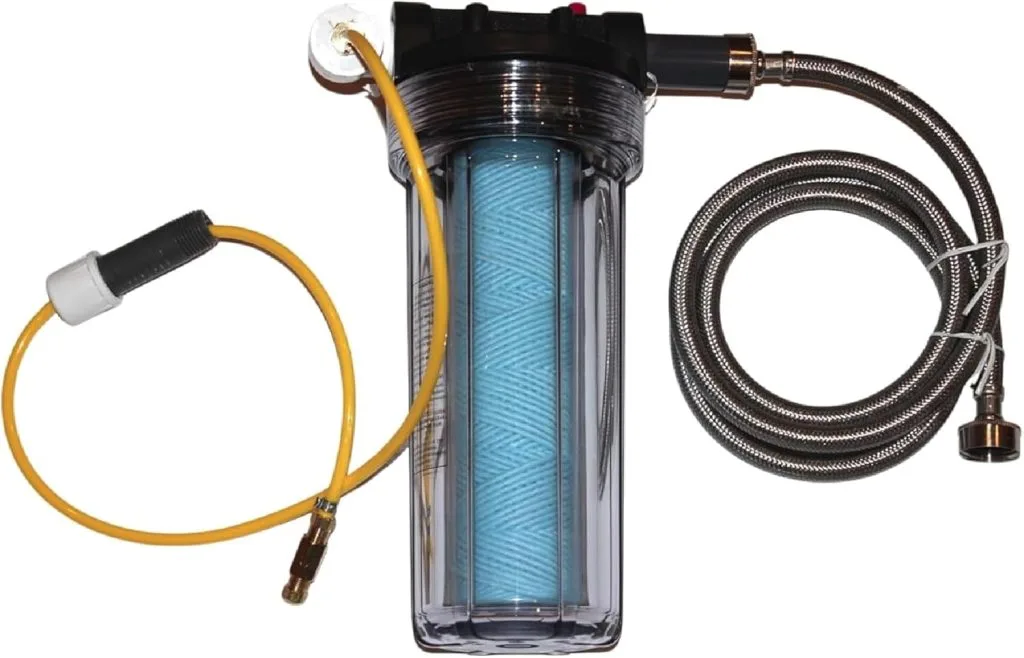
The Sulfur Eliminator Deluxe Well Water Filter System targets rotten egg smell, iron, rust, and sediment in well water. This system uses a venturi aeration method that removes sulfur gases naturally using your well’s own water pressure. It does not use electricity or harsh chemicals and installs quickly on a well spigot or fitting. Many homeowners report that the odor disappears within a few days of installation. The system includes two filter units and a simple maintenance process that keeps water fresh and clear over time.
| Feature | Detail |
|---|---|
| Brand | The Sulfur Eliminator |
| Model | Deluxe Well Water Filter System |
| Dimensions | Compact unit for wellhead or spigot installation |
| Rated Flow Rate | Works with most residential well water systems |
| Maximum Capacity | Suitable for wells 4 inches and above |
| Purification Mechanism | Venturi aeration to remove sulfur gases, with iron and sediment removal |
| Media Life | Replacement filter is typically yearly for continued performance |
| Installation Type | Standalone filter at the well spigot or pitless adapter |
| Certifications | Not listed with formal third-party certifications |
| Current Price | Check Price |
Filtration Technology and Performance
The Sulfur Eliminator Deluxe uses a venturi aeration system. This process pulls in fresh air and mixes it with the well water. The mixing helps remove sulfur gases from the water on its own, without chemicals or electricity. The system also traps iron and dirt as the water goes through the filters. The result is clearer, better-tasting water for drinking and everyday use.
Contaminants and Reduction Rate
This system addresses common well water issues, such as:
- Hydrogen sulfide gas, which causes a rotten egg smell
- Iron and rust that affect taste and color
- Sediment that clouds water
These improvements make water more pleasant for drinking, bathing, and household use without strong odors.
Certification and Trust
The Sulfur Eliminator Deluxe doesn’t have official quality certifications, but many people say it does a good job of cutting down on bad smells and making water clearer. The unit also has a simple maintenance schedule that keeps it working well over time.
Cost of Ownership and Maintenance
- System Cost: Moderate upfront cost compared with larger whole‑house systems.
- Maintenance: Simple, yearly replacement of the internal filter unit.
- Media Life: Replacement filter lasts about one year with normal use.
Summary
| What We Like | What We Do Not Like |
| Removes strong rotten egg smell naturally | No official third‑party certifications |
| Easy installation at the wellhead or spigot | Replacement filter yearly adds a small recurring cost |
| No electricity or harsh chemicals needed | Effectiveness depends on proper installation and aeration time |
| Helps clear iron and sediment | Not a complete multi‑stage filtration system |
| Suitable for many well systems 4 inches and above | Performance varies with well conditions |
Our Final Verdict
The Sulfur Eliminator Deluxe Well Water Filter System suits homes with well water that smells strongly of sulfur and has iron or rust problems. Its natural aeration method removes gases without chemicals or electricity. The installation process is simple, and a yearly filter keeps performance steady. This system works well for many homes with sulfur odor issues, especially where simplicity and low ongoing maintenance matter most.
3. AFWFilters AIS10-25SXT Air Injection Iron, Sulfur, and Manganese Removal Oxidizing Water Filter
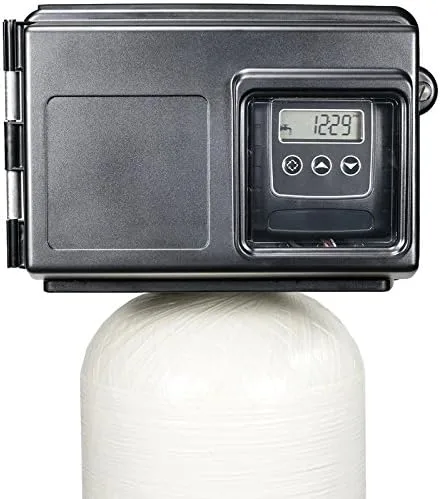
The AFWFilters AIS10-25SXT Air Injection filter removes iron, sulfur smell, and manganese from well water. It uses air to turn these impurities into solid particles that stay in the filter. The system works on its own, needs minimal maintenance, and keeps your home’s water clean and fresh.
| Feature | Detail |
|---|---|
| Brand | AFWFilters |
| Model | AIS10-25SXT Air Injection System |
| Dimensions | Tank size around 10" x 54" for whole-house installation |
| Rated Flow Rate | Approximately 10-12 gallons per minute for average home use |
| Maximum Capacity | Suitable for small to medium homes with multiple bathrooms |
| Purification Mechanism | Air injection oxidation with automatic backwash and specialized media |
| Media Life | Media can last several years with proper maintenance and normal water usage |
| Installation Type | Whole-house inline system before faucets and appliances |
| Certifications | Standard industry quality, no specific NSF labels listed |
| Current Price | Check Price |
Filtration Technology and Performance
The AFWFilters AIS10-25SXT system uses air injection oxidation. This method forces air into the water so hydrogen sulfide (sulfur), iron, and manganese react with oxygen and form solid particles. These particles become trapped in the media bed. During automatic backwash cycles, the system flushes contaminants, replenishes the air pocket, and resets for continuous filtration. This process provides cleaner water for drinking, cooking, bathing, and laundry.
Contaminants and Reduction Rate
This system is designed to reduce several common well water issues:
- Hydrogen sulfide, which causes a rotten egg smell
- Iron that causes staining and a metallic taste
- Manganese that affects the water color and taste
- Filtered water becomes clearer, tastes better, and loses foul odors associated with sulfur and metal minerals.
Certification and Trust
The AFWFilters AIS10-25SXT uses established air injection and oxidation methods trusted in well water filtration systems. Its automatic operation and digital control make maintenance easier and performance consistent for daily home use.
Cost of Ownership and Maintenance
- System Cost: Moderate to higher upfront cost for a whole‑house system
- Maintenance: Automatic backwash cycles reduce manual work; occasional media checks keep performance smooth.
- Media Life: Media can last several years with normal use before replacement is needed.
Summary
| What We Like | What We Do Not Like |
|---|---|
| Automatic air injection oxidation for cleaner water | Higher upfront cost compared with simpler filters. |
Our Final Verdict
The AFWFilters AIS10-25SXT Air Injection Iron, Sulfur, and Manganese Removal Oxidizing Water Filter is a solid choice for homes with well water that has multiple mineral issues. Its automatic system makes maintenance easy, and the air injection oxidation method removes foul odors and metal contaminants. For families who want whole‑home protection and steady water quality, this filter offers reliable performance with minimal daily upkeep.
4. AFWFilters Platinum Air Injection Iron and Sulfur Removal Filter System
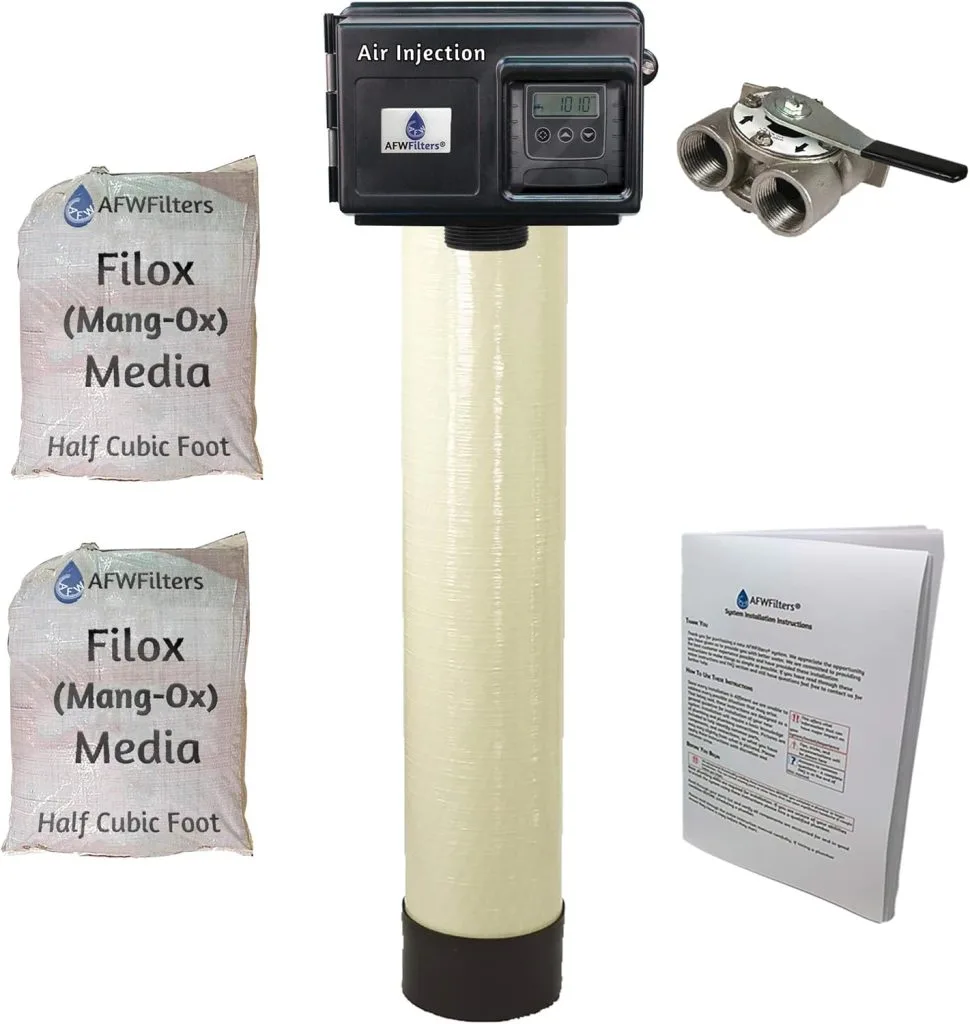
The AFWFilters Platinum Air Injection Iron and Sulfur Removal Filter System cleans well water that has a sulfur smell, iron, and manganese. It uses air to turn pollutants into solid particles that are trapped in the filter. The system works on its own, needs very little maintenance, and keeps your water clean and fresh all around the house. Homes with two or more bathrooms or issues with iron or sulfur smells will benefit from this system for steady water flow and no bad odors.
| Feature | Detail |
|---|---|
| Brand | AFWFilters |
| Model | Platinum Air Injection Iron and Sulfur Removal Filter System |
| Dimensions | Tank around 58 inches tall for whole-house installation |
| Rated Flow Rate | Around 10-12 gallons per minute for average home use |
| Maximum Capacity | Suitable for small to medium homes with multiple bathrooms |
| Purification Mechanism | Air injection oxidation with Filox or similar media for iron, sulfur, and manganese removal |
| Media Life | Several years with automatic backwash and normal use |
| Installation Type | Whole-house inline system at the main water inlet |
| Certifications | Industry quality standards; no specific NSF listed |
| Current Price | Check Price |
Filtration Technology and Performance
This AFWFilters Platinum system uses air injection to clean water. Air mixes with the water, causing sulfur, iron, and manganese to react with oxygen and turn into solid particles. These particles stay in the filter. The system automatically cleans out the dirt and refreshes the air to keep everything running well. This helps make the water cleaner for everyday tasks like drinking, cooking, showering, and doing laundry.
Contaminants and Reduction Rate
This system targets common well water issues such as
- Hydrogen sulfide gas, which causes a rotten egg smell
- Iron that causes staining on fixtures and clothing
- Manganese affects color and taste
Clean water from this system tastes better, has less odor, and is safer for daily use across the home.
Certification and Trust
The Sulfur Eliminator Deluxe doesn’t have official quality certifications, but many people say it does a good job of cutting down on bad smells and making water clearer. The unit also has a simple maintenance schedule that keeps it working well over time.
Cost of Ownership and Maintenance
- System Cost: Moderate to higher upfront cost compared with simple filters.
- Maintenance: Automatic backwash reduces daily work; occasional media checks maintain performance.
- Media Life: Media can last several years before replacement with normal water use.
Summary
| What We Like | What We Do Not Like |
| Automatic air injection oxidation for cleaner waterEffective removal of sulfur odor, iron, and manganeseSupports whole-house water flow needs | Higher upfront cost compared with basic filters |
Our Final Verdict
The AFWFilters Platinum Air Injection Iron and Sulfur Removal Filter System suits homes with well water that has a sulfur smell and metal contaminants. Its automatic air injection and oxidation method removes foul odors and minerals without chemicals. For families that want consistent water quality and easy operation, this system offers reliable performance for whole-house use.
How to Install and Care for a Sulfur Filter System?
To install and care for a sulfur filter system, proper setup and routine care are important. It keeps water clean, removes the rotten egg smell, and extends the life of the filter.
Following these five steps ensures the system works efficiently and provides fresh, odor-free water for the entire home.
- Main water line placement
Put the sulfur filter on the main water line, before it goes to your faucets and appliances. This way, all the water in your house, whether you’re taking a shower or washing dishes, is cleaned and free of bad smells. It also helps protect your pipes and makes the water better overall.
- Pressure check
Check the water pressure before turning on the system. Getting the right pressure helps the filter work better. Too much or too little pressure can hurt the system or stop water from flowing properly.
- Initial system flush
Run water through the filter after it’s installed. This washes out any dirt and gets the filter ready to do its job. It also removes any sulfur smell, so you get clean water right away.
- Backwash schedule
Clean the filter regularly by backwashing. Whether it’s automatic or done manually, this helps get rid of buildup and keeps the filter working well. Sticking to a regular backwash schedule makes sure you always have clean water for drinking, cooking, and other everyday uses.
- Routine inspection and maintenance
Check the filter media, valves, and connections regularly. Look for signs of wear, leaks, or mineral buildup. Cleaning and replacing parts as needed keeps the system reliable and extends its lifespan, providing consistent odor-free water throughout the home.
The Common Mistakes People Make With Sulfur Filters for Well Water
The common mistakes with Sulfur filters for well water include choosing the wrong system size, skipping water testing, ignoring maintenance, and wrong filter installation. It reduces filter performance, causes odors to return, and shortens the life of the system. Knowing these mistakes helps homeowners choose the right size, follow proper maintenance, and install the filter correctly to keep water fresh and clean.
These common mistakes with Sulfur filters for well water are:
Choosing the Wrong System Size
Selecting a filter that does not match the home’s water flow or sulfur levels reduces effectiveness. A system that is too small may not remove all the odor, while an oversized system may be costly and unnecessary. Choosing the right size ensures consistent odor-free water for every faucet.
Skipping Water Testing
Not testing the water before buying a filter leads to poor results. Knowing sulfur levels, iron content, and other minerals helps pick the right filter system. Testing first ensures the system handles your home’s water and removes odor efficiently.
Ignoring Maintenance Schedules
Not doing backwash cycles, replacing the media, or checking the filter regularly can make the filter work worse. Regular maintenance stops sulfur, iron, and other particles from clogging up the system. Sticking to a maintenance plan helps the system keep giving you clean, fresh water every day.
Installing the Filter Incorrectly
Improper installation affects how the filter works and may damage pipes or media. Placement on the main water line, correct pressure, and proper valve settings are essential. Installing the system correctly ensures all water in the home is treated and free from sulfur odor.
How Water Filter Way Helps With Better Filter Choices for Your Home?
Water Filter Way helps you make better filter choices by providing clear guides, detailed product reviews, and simple explanations. Readers can learn about different sulfur filter systems, compare features, and understand which option fits their home’s water needs. This guidance makes it easier to select a filter that removes odors, improves taste, and ensures clean water from every faucet.
Water Filter Way focuses on real home use, showing how filters perform and how easy they are to maintain, and which systems last longer. Following these guides helps homes make better choices, enjoy clean and safe water every day, and stay away from mistakes that hurt the filter’s performance.
Frequently Asked Questions
What is the best sulfur water filter system for well water?
The best sulfur water filter system depends on your water’s hydrogen sulfide level, iron content, and pH. Whole-house sulfur filtration systems can help remove sulfur odors and improve water quality throughout your home.
What is the best whole-house sulfur water filter?
The best whole-house sulfur filter depends on the severity of the sulfur problem and your home’s water usage. Options include oxidation filters, air injection systems, and specialized sulfur removal systems.
How do you remove sulfur smell from well water?
To remove sulfur smell from well water, you can use an oxidation filter, air injection system, or other sulfur treatment method. The right solution depends on the hydrogen sulfide concentration and overall water chemistry.
What is the best sulfur removal system for well water?
The best sulfur removal system depends on the type and concentration of sulfur in your well water. A water test can help determine whether you need an oxidation filter, aeration system, or another treatment solution.
What is the cheapest way to remove sulfur from well water?
The cheapest way to remove sulfur depends on the sulfur level and the size of your water system. Simple filtration or aeration may cost less, but severe sulfur problems may require a more advanced whole-house treatment system.