
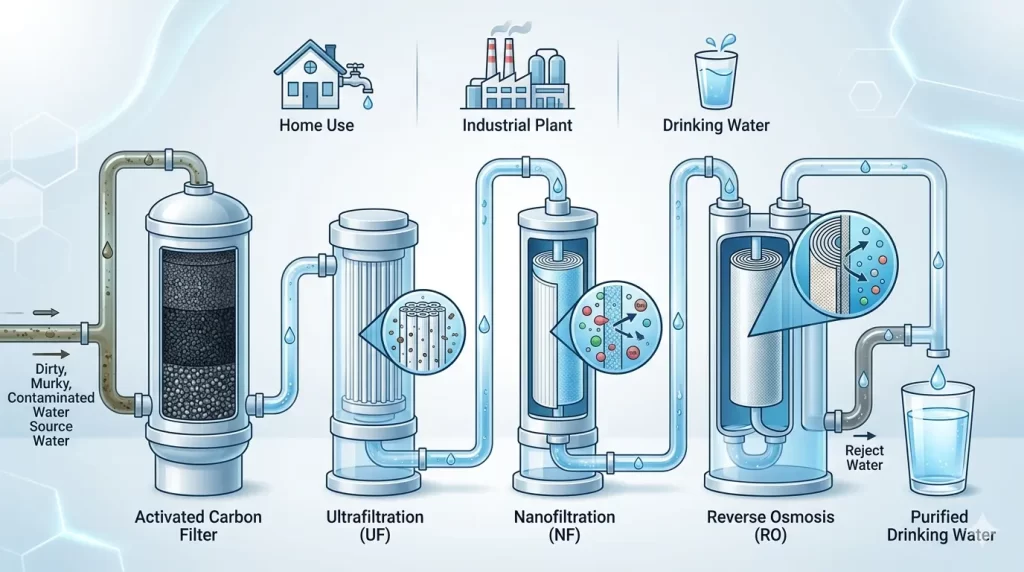
A water purification system is a device that removes harmful substances from water. It eliminates microorganisms, chemicals, and suspended solids from the water. The goal is to produce water that is safe and healthy to consume.
There are many methods for purifying water. The most common ones include boiling, filtration, and distillation. Advanced technologies, such as reverse osmosis and UV disinfection, are also very popular. These systems are not just for drinking water. They are used for cooking, bathing, and even for protecting appliances from mineral buildup. Having a purification system provides a constant supply of clean water right from your tap. It saves you money and helps the environment by reducing plastic bottle waste.
Choosing the right water purification system requires careful thought. You need to consider the specific contaminants in your water. You also need to consider the system’s capacity, flow rate, and maintenance requirements. It is about finding the right technology to meet your home’s unique requirements. For more in-depth reviews and expert advice, you can rely on Water Filter Way, a trusted guide to choosing the right water filtration system for your home.
What Is a Water Purification System?
A water purification system is a device or a series of devices that removes harmful substances from your drinking water. The system takes dirty, unsafe water and makes it clean and safe for drinking, cooking, and other uses. The purification process targets and eliminates various contaminants, including bacteria, viruses, parasites, suspended solids, heavy metals, and gases.
A purification system features a specific design incorporating multiple stages, filters, and technologies. Water flows through these stages. Each stage removes a different type of impurity. First, the system removes large particles, such as sand and dirt. Then, it tackles smaller, invisible threats. It eliminates microorganisms, biological contaminants, and harmful gases. The final result is crystal-clear, clean water.
The advantages of using a water purification system are clear. It provides a constant supply of safe water right at home. You do not have to buy expensive bottled water. Using a system also helps the environment. It reduces the number of plastic bottles you use. According to a study by the World Health Organization (WHO), contaminated drinking water causes millions of deaths each year. A proper purification system helps prevent these illnesses. It is a vital tool for public health.
How Does a Water Purification System Work?
A water purification system operates through a multi-stage process. Each stage removes different types of impurities, ensuring the water is safe, clean, and better tasting for drinking and cooking.
A water purification system works through the following processes:
- Sediment Filters
Sediment filters are the first line of defense. The filter removes large particles. It traps impurities such as sand, silt, rust, and dirt. This process is called physical filtration. The main role of this filter is to protect the other, more delicate filters in the system. It prevents clogging and extends the life of the entire system.
- Activated Carbon Filters
After the sediment filter, water flows through an activated carbon filter. This filter is made of highly porous carbon. The carbon acts like a magnet for certain impurities. It absorbs chemicals, chlorine, and bad odors. It also removes unpleasant tastes from the water. The carbon filter makes the water taste and smell much better.
- Reverse Osmosis (RO) Membranes
A reverse osmosis membrane is a very fine filter with tiny pores. The pores are so small that only water molecules pass through them. This process forces water through the membrane under high pressure. The membrane leaves behind almost all dissolved salts, heavy metals, and other contaminants. This is an effective method for removing a wide range of impurities.
- Ultraviolet (UV) Disinfection
UV disinfection is a chemical-free method for killing germs. The system uses a special UV light. This light destroys the DNA of microorganisms. It kills bacteria, viruses, and other pathogens. The light prevents microorganisms from reproducing. It stops them from causing illness. This stage adds an extra layer of protection.
- Ion Exchange
Ion exchange is a specialized process that is used to soften hard water. Hard water contains minerals like calcium and magnesium. The ion exchange system contains beads or resins. These beads exchange the hard minerals for harmless ions, such as sodium. This process makes the water softer. Soft water is better for appliances and personal care.
Understanding how each stage works gives you a clear picture of the whole purification process. The combination of these processes ensures the water you drink is not just clean but truly pure.
What Are the Methods of Water Purification?
The methods of water purification are different ways to remove impurities from water. These methods range from simple, traditional techniques to advanced technologies. Each method works in its own way to make water safe to drink.
Methods of water purification are listed below:
- Boiling
Boiling is a simple and old method. You heat water to a high temperature. The heat kills most disease-causing microorganisms. These include bacteria, viruses, and parasites. The process is effective for killing germs. The limitation is that it does not remove chemical pollutants or heavy metals. It also does not improve the taste or clarity of the water.
- Filtration
Filtration involves passing water through a filter. The filter has tiny pores. The pores trap and remove solid particles. Filters remove sediment, sand, and other suspended materials. Some filters, like carbon filters, also absorb chemicals and bad odors. Filtration is a very common method for home use. However, filters do not remove all types of contaminants, particularly those as small as viruses.
- Distillation
Distillation mimics the natural water cycle. You boil the water. The water turns into steam. The steam rises, leaving impurities behind. The steam then cools and turns back into liquid water. The purified water is collected. This method is very effective at removing a wide range of contaminants. It eliminates bacteria, viruses, and heavy metals. A key limitation is that it is a slow process and uses a lot of energy.
- Reverse Osmosis (RO)
Reverse osmosis forces water through a very fine, semipermeable membrane. The membrane has tiny pores. The pores are so small that they prevent the passage of dissolved salts, chemicals, and heavy metals. RO is a highly effective purification method. It is used in many high-end home systems. However, the RO system produces wastewater. It also removes healthy minerals from the water.
- Ultraviolet (UV) Disinfection
UV disinfection uses special light to purify water. The light destroys the DNA of microorganisms. This makes them unable to reproduce. The process is quick and chemical-free. It does not change the taste or odor of the water. The biggest limitation is that UV light only works on clear water. It does not remove chemicals, sediment, or heavy metals. The water must be pre-filtered for it to work well.
- Ion Exchange
Ion exchange is used to soften hard water. Hard water contains minerals like calcium and magnesium. The system comprises small beads or resin that replace the hard minerals with harmless ions. The process makes water softer. It prevents scale buildup in pipes and appliances. A limitation is that it does not remove microorganisms or other contaminants. It is a treatment for a specific problem.
- Chlorination
Chlorination adds chlorine to the water. Chlorine is a powerful chemical that kills bacteria and other pathogens. Most public water treatment plants use this method. It is very effective at preventing waterborne diseases. A major limitation is the taste and smell of the chlorine itself. It also does not remove many chemicals or heavy metals. Chlorine creates byproducts that some people find harmful.
The best water purification solution combines multiple methods to ensure your water is as pure as possible. It is about matching the technique to the specific impurities in your water source.
What Are the Main Sources of Water for Purification?
The main sources of water for purification are surface water, groundwater, rainwater, and seawater. Each source has different characteristics and requires specific purification methods.
Sources of water for purification are listed below:
- Surface Water
This water comes from rivers, lakes, and streams. It contains sediment, organic matter, and microorganisms. Purification methods for surface water include filtration, coagulation, and disinfection. This process removes the suspended particles and kills harmful bacteria.
- Groundwater
Groundwater is found in underground aquifers. It contains dissolved minerals like calcium and magnesium. It also contains heavy metals and other chemicals. Purification for groundwater involves reverse osmosis or ion exchange to remove dissolved solids.
- Rainwater
Rainwater is collected directly from the atmosphere. It is relatively pure, but it picks up pollutants, dust, and debris from rooftops and the air. Basic filtration and disinfection are enough for rainwater. A simple carbon filter and UV light system work well.
- Seawater or Brackish Water
Seawater has high concentrations of salt. Brackish water is a mix of fresh and saltwater. These sources are undrinkable without extensive treatment. Reverse osmosis is the most common method for seawater purification. The process is called desalination. It removes the high salt content, making the water drinkable.
- Recycled or Wastewater
This is treated water from homes, industries, and agriculture. It is a source for reuse. This water contains many impurities. It requires multiple purification stages, including advanced filtration, disinfection, and chemical treatments. This makes it safe for non-potable uses.
Understanding where your water comes from is the first step. It helps you decide which purification system you need. Matching the method to the source water ensures the water you drink is truly clean and safe.
What Is Pretreatment in Water Purification Systems?
Pretreatment in a water purification system is the first and most important stage. It prepares the raw water for the main purification processes. The goal is to remove large impurities before they can harm the advanced filters.
Pretreatment in water purification systems includes:
- Screening
Screening is the very first step. The process uses a physical screen or a series of screens. These screens catch large debris. It traps things like leaves, sticks, and trash. Screening is important because it protects the main purification equipment from damage or clogging.
- Settling
Settling allows heavy particles to sink to the bottom of a tank. This process is also called sedimentation. It removes sand, silt, and heavy solids. Gravity does all the work. Water sits in a large basin. The heavy particles fall out. This step reduces the load on the next filtration stages.
- Flocculation
Flocculation is a process that makes small particles stick together. Chemicals called coagulants are added to the water. These chemicals cause tiny impurities to clump together. The clumps become large enough to settle out or to be easily filtered. This step is vital for removing very fine particles that do not settle on their own.
- pH Adjustment and Preconditioning
pH adjustment changes the water’s acidity or alkalinity. Some purification methods work better at a specific pH level. Chemicals are added to get the pH just right. This preconditioning step optimizes the effectiveness of later processes. It also protects the equipment from corrosion.
- Prechlorination
Prechlorination adds chlorine to the raw water. The chlorine begins to kill microorganisms. It also helps control algae and other biological growth. This step is an early disinfection measure. It reduces the number of pathogens before the water moves to the next stage. It makes the final disinfection more effective.
The pretreatment stages ensure the main filters function as intended. They extend the life of the entire system. Without proper pretreatment, expensive filters get clogged quickly and fail.
Why Is Pretreatment Necessary in Water Purification?
Pretreatment is necessary in water purification because it prepares the water for the main filtration processes. It protects downstream equipment from damage by removing large particles and other impurities. This ensures the rest of the system works properly. It also improves efficiency by making the main filters more effective.
Pretreatment also prolongs the system’s lifespan. It prevents clogging and wear and tear on expensive filters. Pretreatment is also important for ensuring product quality. It provides a consistent, clean water supply to the main purification stages. This means the final product is safer and cleaner. It is a vital step for any good purification system. Without it, the whole system fails.
What Are the Advantages of Water Purification Systems?
The advantages of water purification are numerous. Using a system gives you access to clean, safe water right at your fingertips.
The main advantages of a water purification system are:
- Removal of Contaminants
A purification system removes harmful substances from your water. It gets rid of things you cannot see. These include bacteria, viruses, lead, and chemicals like chlorine. You do not have to worry about what is in your tap water.
- Improved Taste, Odor, and Appearance
Many purification systems use carbon filters. These filters get rid of chlorine. They also eliminate other impurities that cause bad taste and smell. The result is clear, refreshing, and delicious water. You want to drink more of it.
- Health Benefits
Drinking purified water is better for your health. It reduces your risk of contracting waterborne diseases. It helps your body function better. Proper hydration is a key to good health. With a purification system, you drink cleaner water. You feel better and more energetic.
- Cost Savings
A water purification system saves you money in the long run. You no longer need to buy bottled water. The cost of a system is less than the cost of plastic bottles over time. You use your own filtered water. This is a smart investment for your family.
- Environmental Friendliness
Using a purification system reduces plastic waste. You fill your reusable bottles at home. You do not need to buy single-use plastic bottles. This is a small but important step for the planet. It reduces your carbon footprint.
- Convenience
A home purification system gives you a constant supply of clean water. You do not need to carry heavy water jugs from the store. You do not have to wait for deliveries. The water is there for you every time you turn on the faucet.
Water purification systems provide more than just clean water. They offer peace of mind, better health, and a more sustainable lifestyle. It is a simple change that has a big positive impact on your daily life.
What to Consider When Choosing A Water Purification System?
When choosing a water purification system, consider your specific needs. It is not a one-size-fits-all decision. The best system for you depends on several key factors.
The main factors to consider when choosing a water purification system are:
- Water Quality Analysis
Know what is in your water before you buy a system. A water quality test tells you what contaminants are present. It shows you if you have hard minerals, heavy metals, or bacteria. This analysis guides you to the right filter type. It is a crucial first step.
- Purification Technology
Different technologies remove different impurities. Reverse osmosis is great for removing a wide range of dissolved solids. A UV filter kills microorganisms. A carbon filter improves taste and smell. You need to choose a system with the technology that targets your specific water problems.
- Capacity and Flow Rate
Capacity is the amount of water the system purifies. Flow rate is how fast it purifies the water. A whole-house system has a high flow rate. It provides water to the entire home. A small countertop filter has a lower capacity. Pick a system that meets your family’s daily water needs.
- Regeneration Method
This factor applies to systems like water softeners. The system removes the trapped minerals. Some systems regenerate automatically. Others require you to add salt or other chemicals. You need to understand the regeneration method. It affects the system’s maintenance and cost.
- Installation and Space
Some systems are easy to install. They fit on your countertop or faucet. Others require professional plumbing. Some systems go under your sink or at your main water line. You need to consider the space you have available. You also need to think about your ability to install it.
- Maintenance and Cost
All water purification systems require some maintenance. You must change filters or replace parts. This adds to the system’s long-term costs. You need to look at the cost of replacement filters. You must consider how often you need to do maintenance.
Considering these factors helps you make a smart decision. It ensures you select a system that is effective and fits your lifestyle. You get clean, safe water without hassle. Water Filter Way offers detailed guides, in-depth reviews, and tips for various filtration and purification systems. They simplify the process and help you find the best solution for your needs.
What is the best type of water purification system?
The best type of water purification system depends on your water quality and needs. Common and best methods of water purification include Reverse Osmosis (RO), which removes almost all dissolved and other chemical contaminants. UV systems eliminate microorganisms without the use of chemicals. Many households opt for multi-stage systems for comprehensive protection.
Which faucet water filter removes the most contaminants?
The faucet water filter, which removes the most contaminants, is one certified by the National Sanitation Foundation (NSF) / American National Standards Institute (ANSI) standards. Advanced faucet filters combine activated carbon and ion-exchange technologies to reduce common contaminants in tap water effectively. Brands like PUR and Brita Elite are popular choices, offering a balance of strong performance and affordability.
What is the highest-rated home water filtration system?
The highest-rated home water filtration system is the iSpring RCC7AK, known for its reverse osmosis efficiency and an added alkaline filter for better-tasting water. Another top choice is the Aquaboon 3-Stage Whole House Water Filter, which provides reliable filtration for sediment, carbon, and iron, making it ideal for comprehensive household coverage.
What is the flow rate of portable water purifiers?
The flow rate of portable water purifiers depends on design and technology. Manual straw filters have slower rates, while pump-based purifiers deliver about 200–500 ml/min. For specific examples, check the performance of popular options, such as LifeStraw portable filters. High-end electric or pressurized systems reach over 1 liter per minute, making them faster and more convenient for larger groups and frequent outdoor use.
What are the maintenance needs of portable water purifiers?
Maintenance needs for portable water purifiers are fairly simple but essential. Filters must be cleaned or replaced regularly to maintain flow and safety. Carbon elements need to be replaced sooner if the water contains chemicals. Proper drying and storage after use also extend filter life and prevent bacterial growth inside the system.
Are home water filtration systems safe?
Yes, home water filtration systems are safe when properly installed and maintained. They undergo strict testing and certifications to ensure effectiveness against contaminants. Replacing filters on time is crucial for safety. Understanding the importance of water filtration in your home is key to ensuring you get reliable, safe, and high-quality drinking water from advanced systems, such as reverse osmosis with UV and carbon filtration.
What is the most efficient filtration system?
The most efficient filtration system is reverse osmosis (RO), especially when paired with carbon and UV filters. RO removes dissolved salts, metals, and chemicals. At the same time, carbon improves taste, and UV ensures microbial safety. Efficiency depends on both contaminant removal and water recovery, making multi-stage RO systems a leading option worldwide.
How to decide which water filter to buy?
To decide which water filter to buy, first test your water to identify contaminants and key water quality parameters. Reverse osmosis is ideal when dissolved solids or heavy metals are present. For chlorine and odor, carbon filters are most effective. Travelers prefer portable filters, while whole-house systems are better suited for families seeking long-term, comprehensive water safety. To get a complete overview and help you choose the right filter for your situation, you should look at all available options.

