
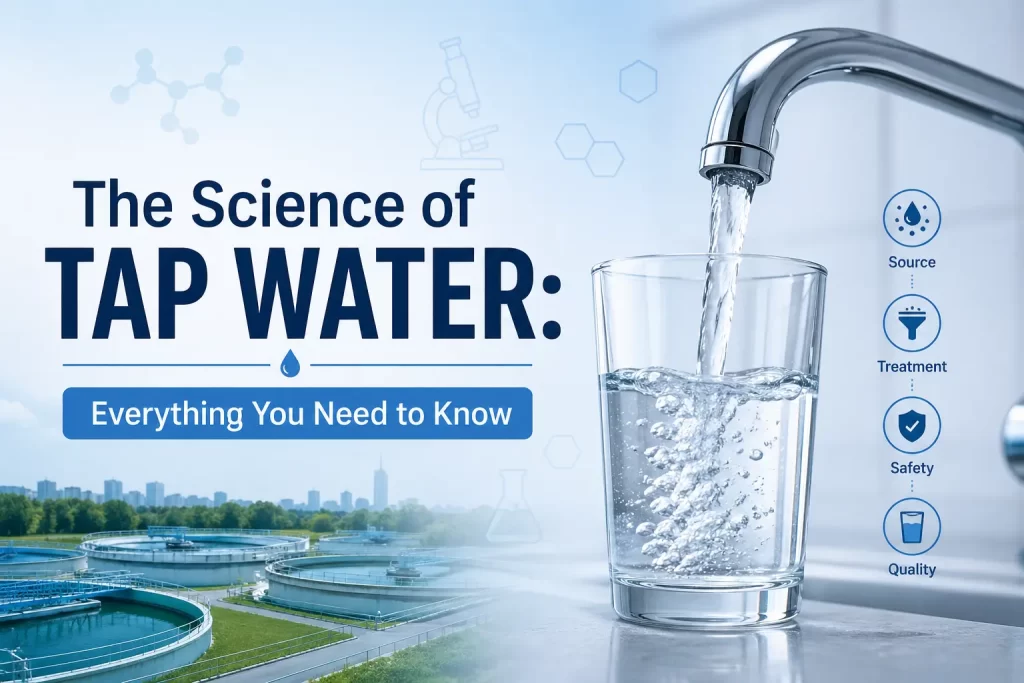
Tap water serves as the lifeblood of every modern household. People rely on it for hydration, hygiene, and home maintenance without a second thought. Every drop travels through a massive network of pipes and treatment facilities before it reaches your kitchen sink. Modern science transforms raw environmental water into a controlled utility. Understanding the composition of this liquid helps you make better choices for your family’s health.
Water Filter Way offers broad perspectives on the journey of your water from the source to the glass. Municipalities work hard to meet safety standards. However, the path to your home introduces many variables. Factors like aging pipes and chemical additives change the final quality of the water. Knowledge of these processes empowers homeowners to take control of their tap. You deserve water that tastes fresh and remains free of hidden particles. We explore the minerals, the treatment stages, and the hidden facts of the water industry. Water Filter Way bridges the gap between basic utility and premium purity.
What Is Tap Water?
Tap water is a processed liquid delivered through a permanent indoor plumbing system. Engineers collect water from nature and pump it through a treatment plant. The final product flows directly to faucets in kitchens, bathrooms, and laundry rooms. Local governments manage the distribution to ensure everyone has access to a steady supply.
Most people drink this water daily. It carries various minerals and gases picked up during its journey. Surface water and groundwater act as the primary origins for this supply. Large-scale machinery moves thousands of gallons every minute. Pipes buried deep underground protect the water from outside weather. These systems represent one of the greatest engineering feats in human history. Every faucet connects to a web of infrastructure spanning hundreds of miles.
What Are The Key Characteristics Of Tap Water?
The key characteristics of tap water are categorized into physical, chemical, and biological states. Every drop of tap water possesses a unique profile shaped by its environment and treatment. Scientists evaluate these characteristics to ensure the liquid remains safe for the public. Understanding these traits helps you recognize when your supply needs extra attention from a water filtration system. We categorize these features into three main groups: physical, chemical, and biological.
Physical Characteristics
Physical traits represent what you notice with your five senses. These factors often determine your first impression of water quality.
- Clarity and Appearance
Pure water looks transparent and colorless. Cloudiness or “turbidity” indicates the presence of suspended particles like silt or clay.
- Taste and Odor
Fresh water carries no strong scent. Musty, metallic, or bleach-like smells suggest the presence of algae, old pipes, or heavy chlorine.
- Temperature
Cool temperatures generally improve the taste perception of the water. Warm water often highlights chemical smells or flat flavors.
Chemical Characteristics
Chemical traits involve the invisible makeup of the water. These elements dictate how the water interacts with your body and your home plumbing.
- pH Levels
This scale measures acidity and alkalinity. Neutral water sits at 7.0. Most cities aim for a slightly alkaline level to prevent metal pipes from rusting.
- Hardness
High concentrations of calcium and magnesium create “hard water.” These minerals provide health benefits but also cause scale buildup in appliances.
- Total Dissolved Solids (TDS)
This figure represents the sum of all minerals, salts, and metals in the flow. Low TDS levels often result in a “cleaner” taste.
- Disinfectants
Municipalities add chlorine or chloramines to kill germs. These chemicals leave behind a distinct chemical footprint in the water.
- Beneficial Minerals
Tap water naturally carries potassium and trace elements essential for human health.
Biological Characteristics
Biological safety remains the most critical characteristic for public health. These factors determine if the water is actually safe to ingest.
- Pathogen-Free Status
Safe tap water contains zero disease-causing bacteria, viruses, or parasites. Water purification technologies specifically target these living threats.
- Contaminant Limits
Providers monitor the water for pesticides, nitrates, and heavy metals in drinking water. Keeping these substances below legal limits prevents long-term health issues.
What Are The Types Of Tap Water?
The types of tap water are many, i.e., municipal city water, hard water, distilled water, etc. Tap water is not a single, uniform substance. The liquid flowing from your faucet changes depending on where the city finds it and how they process it. Every region possesses a different mineral profile. Understanding these varieties helps you choose the right water filter for your specific home needs.
The types of tap water are as:
Types Based on the Water Source
The origin of your water dictates its initial chemical makeup. Professionals look at the source to decide which water treatment steps are necessary for public safety.
- Municipal City Water
Utilities collect this from rivers, lakes, or large reservoirs. They treat it at a central plant and send it through miles of underground pipes. The quality and taste change based on the city’s equipment and the age of the local pipes.
- Private Well Water
Homeowners pull this water from deep underground on their own land. It does not go through a city treatment plant. This type often remains “raw” and requires a personal water treatment system to ensure safety from ground runoff.
- Spring Water
This comes from natural underground openings. It moves through rocks and sand, which act as a natural filter. It usually keeps a high count of natural minerals and trace elements.
Types Based on Mineral Properties
The “feel” of your water depends mostly on the rocks it touched before reaching your house. These properties affect your skin, hair, and appliances.
- Hard Water
This liquid contains high amounts of dissolved calcium and magnesium. It is very common in areas with lots of limestone. It creates white spots on dishes and makes skin feel itchy or dry.
- Soft Water
This has very few dissolved minerals. Some water is naturally soft, while others require a water softening system to remove the heavy minerals. It creates a rich lather with soap and protects your home plumbing from clogs.
- Alkaline Water
This type has a higher pH level than normal water. It often contains extra minerals like silica or bicarbonate. Some people use an alkaline water filter to achieve this specific balance at home for health reasons.
Types Based on Processing Levels
Sometimes water undergoes extra steps to change its purity. These processes happen at a large plant or inside your kitchen.
- Distilled Water
Scientists boil water into steam and then cool it back into a liquid. This removes every mineral and impurity. It has a very flat taste because it lacks the natural elements found in the earth.
- Purified Water
This starts as regular tap water but goes through advanced mechanical cleaning. Methods like reverse osmosis or water ultrafiltration strip away chemicals and tiny particles to create a very clean product.
- Filtered Water
This type is standard tap water that passes through an extra barrier. Using a water filtration system with carbon blocks helps remove the smell of chlorine and improves the daily drinking experience.
What Are The Primary Functions Of Tap Water In The Home?
The primary functions of tap water in the home include hydration, personal hygiene, and various sanitation tasks. Every room in a modern house relies on this utility to maintain a healthy and functional environment for the family. People consume it daily for cooking and drinking, while using larger volumes for cleaning surfaces and running essential appliances.
The primary functions of tap water are:
- Personal Hydration and Nutrition
Every person needs a reliable source of water to maintain health and energy. Tap water provides the base for drinking and preparing meals. It acts as a primary ingredient in soups, sauces, and drinks like coffee or tea. The quality of this water directly impacts the flavor of your food and the safety of your family’s diet.
- Hygiene and Personal Care
Showers and baths consume a significant portion of the daily water supply. Tap water rinses away dirt and helps soaps create a cleansing lather. It also serves essential roles in dental hygiene and hand washing. Clean, treated water prevents the spread of germs within the living space.
- Cleaning and Sanitation
Households rely on tap water to maintain an orderly environment. Dishwashers use it to sanitize plates, while washing machines use large volumes to refresh clothing. It also serves as the vehicle for mopping floors and cleaning various surfaces. Without a steady flow, maintaining a sanitary home becomes nearly impossible.
- System Maintenance and Climate Control
Modern homes often use water for more than just cleaning. Many heating systems circulate hot water through radiators to keep rooms warm. Evaporative coolers also use water to lower temperatures during hot months. This utility keeps the mechanical heart of the house beating.
- Outdoor and Gardening Tasks
Tap water extends its utility beyond the walls of the house. It feeds the lawn, hydrates garden vegetables, and fills swimming pools. People also use it to wash vehicles and clean outdoor walkways. This versatility makes it the most important tool in any property owner’s kit.
Tap water functions as a universal solvent and utility that powers every room in the house, from the kitchen and bathroom to the basement and backyard.
What Are The Most Common Things Found In Tap Water?
The most common things found in tap water are naturally occurring minerals, chemical disinfectants, and various unintentional contaminants. These elements enter the water supply through geological contact, municipal treatment processes, and aging infrastructure. While some additions are intentional for health and safety, other substances are the result of industrial runoff or environmental pollution.
The most common things found in tap water are:
- Essential Minerals (Calcium, Magnesium, and Potassium)
Natural water sources like lakes and aquifers dissolve rocks as they flow, picking up minerals such as calcium and magnesium. These minerals are the primary cause of “hardness” in your water and can leave chalky deposits on your fixtures. While they contribute to the daily intake of nutrients for your body, high levels often require a water softening system to protect your home’s pipes and appliances.
- Disinfection Chemicals (Chlorine and Chloramine)
Municipalities add chlorine or chloramines to the water supply to destroy harmful pathogens like bacteria and viruses. This treatment ensures that the water remains safe to drink as it travels through miles of underground pipes to reach your home. Many homeowners use a water filter to remove the distinct “swimming pool” scent and taste these chemicals leave behind.
- Dental Health Additives (Fluoride)
Many regions intentionally add fluoride to the tap water to help strengthen tooth enamel and prevent cavities across the population. This practice is considered a public health benefit by many dental associations. However, because it is added to the entire supply, some families choose specialized water purification methods to remove it for personal reasons.
- Heavy Metals (Lead and Copper)
Heavy metals are usually unintentional additions that enter the water after it leaves the treatment plant. Lead often leaches into the supply from old service lines or lead solder in older homes, while copper can come from the corrosion of household plumbing. Heavy metals in drinking water are a serious concern, leading many people to invest in a water filtration system specifically certified for lead removal.
- Emerging Contaminants (PFAS and Microplastics)
Modern research has identified “forever chemicals” known as PFAS and tiny plastic fibers in many public water systems. These substances originate from industrial waste and consumer products, often resisting standard municipal treatment methods. A high-quality water purification system, such as reverse osmosis, is often the most effective way to address these microscopic threats.
Tap water acts as a complex chemical solution containing a mix of vital nutrients, protective cleaners, and unwanted environmental byproducts.
Why Does Your Tap Water Sometimes Look, Smell, Or Taste Strange?
Algae in the source water creates a musty or earthy smell. Chlorine leaves a scent like a swimming pool. Metallic tastes come from old copper or iron pipes. Cloudy water often contains tiny air bubbles. Yellow or brown water indicates rust or sediment. Water Filter Way helps you identify these signs. Strange smells mean the water needs extra care. Rotten egg smells point toward sulfur gas. A bitter taste suggests a high pH level or high mineral content. Saltiness indicates a high sodium count or seawater intrusion.
How Can You Treat The Tap Water?
To treat the tap water it involves a combination of large-scale municipal processes and specialized home filtration systems to ensure every drop is safe for consumption. These methods work together to remove visible debris, eliminate microscopic pathogens, and neutralize chemical additives used during transport. By understanding both the city-wide treatment and your options for personal purification, you can achieve the highest level of water quality for your household.
The process to treat the tap water are:
- Municipal Multi-Stage Processing
Most cities follow a strict scientific sequence to clean raw water before it enters the public grid. This begins with coagulation and flocculation, where chemicals are added to make dirt particles clump together. These clumps settle in a sedimentation tank, followed by filtration through sand and charcoal to catch remaining debris. Finally, disinfection with chlorine or ozone kills any lingering bacteria, preventing waterborne diseases.
- Activated Carbon Filtration
At the home level, carbon filters are the most common tool for improving water quality. These systems use highly porous charcoal to “adsorb” impurities as water passes through the filter media. They are exceptionally effective at removing the “swimming pool” smell of chlorine and getting rid of pesticides or organic solvents. Many families use these in the form of water filter pitchers or faucet attachments for a quick and easy upgrade to their drinking water.
- Reverse Osmosis (RO) Systems
For those seeking total purity, a reverse osmosis system acts as the gold standard for home treatment. This process forces water through an incredibly fine, semi-permeable membrane that blocks almost all dissolved solids and heavy metals. It removes contaminants that standard filters might miss, such as arsenic, nitrates, and fluoride. Most RO units include pre-filters to catch sediment, ensuring the final product is as pure as bottled water.
- Ultraviolet (UV) Purification
UV light provides a chemical-free way to sanitize your supply, if you rely on a private well or live in an area with biological concerns. A UV disinfection system shines high-frequency light through the water to scramble the DNA of viruses and bacteria, making them unable to reproduce. While it does not remove minerals or chemicals, it provides a powerful safety net against living pathogens without changing the taste of the water.
- Water Softening and Ion Exchange
Homes plagued by “hard water” benefit from ion exchange technology. A water softener replaces heavy minerals like calcium and magnesium with salt ions, preventing scale buildup in your pipes and appliances. This process makes soap more effective and leaves your skin feeling softer after a shower. It is a critical maintenance step for households in regions with high mineral content in the earth.
Treating tap water transforms a basic utility into a premium resource by layering municipal safety standards with home-based technologies tailored to your specific local chemistry.
How Does Water Filter Way Help You Perfect Your Home Tap Water?
Water Filter Way provides the essential knowledge to turn standard city water into premium, bottled-quality liquid right at your kitchen sink. Our experts analyze the complex needs of modern homes to ensure every family has access to transparent information about their local supply. We act as a professional bridge between municipal engineering and your personal health standards. Every home faces a unique set of challenges based on geography and the age of local infrastructure.
- Matching Modern Filtration Technology to Your Specific Water Science
Different homes face vastly different water problems depending on the local environment. Some households deal with heavy metals in drinking water leached from old city pipes, while others struggle with white scale from hard minerals. Water Filter Way guides you toward the specific technology that solves your exact issue rather than offering a one-size-fits-all suggestion.
We help you choose the best tools by explaining the science of how different water filter types interact with various pollutants. Our deep-dive reviews cover everything from high-tech reverse osmosis systems to the most reliable Brita water filters for simple tasks. We break down the technical specifications of APEC Water Filters and SpringWell Water Filters so you understand the hardware before you buy. Our goal is to ensure you spend your money wisely on a water treatment system that actually works for your home.
- Expert Reviews of Top Water Filter Brands
Navigating the market for water solutions is difficult without a trusted resource. We test and compare the leading water filter brands to see which ones stand up to real-world conditions. Our team looks at the longevity of water filter cartridges and the availability of water filter parts to ensure long-term value. Whether you need a simple water filter pitcher or a whole-house SpringWell water setup, we provide the data you need. We compare PUR Water Filters, Aquasana Water Filters, and ZeroWater Filters to show you the strengths of each design.
- Step-by-Step Guidance and Support
Buying a filter is only the first step in your journey to better water. We offer practical advice on how to set up a Brita water filter and when to perform a Brita filter replacement. Our guides help you decide if a Brita on-tap faucet water filter is enough for your needs or if you require a Springwell water purification system. We even look at portable options like LifeStraw portable filters and Sawyer water filters for people on the move. By providing clear instructions and maintenance tips, we make sure your investment continues to provide pure water for years.
Water Filter Way empowers homeowners to move beyond the limitations of basic tap water by providing expert reviews, scientific explanations, and a comprehensive water filter buying guide for every budget.
Can the water change after it leaves the treatment plant?
Yes, the water changes after it leaves the treatment plant because the pipes under the street deteriorate over time. Breaks in the line allow dirt to enter the flow. Lead solder in older homes leaches into the water. The treatment plant creates safe water. The journey to your house sometimes ruins that quality. Home filtration catches these “last mile” issues. Construction near your home stirs up sediment in the main lines. Pressure drops cause old pipe scales to flake off. These particles end up in your glass.
Is tap water regulated differently from the water you buy in bottles?
Yes, the tap water is regulated differently from the water you buy in bottles. The EPA sets rules for tap water. They require frequent public reports called Consumer Confidence Reports. The FDA oversees bottled water. Bottled water companies do not always share their test results. Tap water often faces stricter testing schedules than the bottles in the store. You know exactly what is in your tap water because the law requires transparency.
What is “hard water,” and why does it affect your skin and pipes?
Hard water is the water that contains high levels of dissolved rock. These minerals dry out your skin and hair. They create a film on your body in the shower. Inside your home, these minerals turn into solid scale. This scale clogs showerheads and ruins appliances. It forces your water heater to work harder. Dishwashers struggle to clean plates in hard water. A water softening system solves these problems effectively.
Why should you consider a “final edit” for your tap water?
You should consider a “final edit” for your tap water, as the municipalities do not focus on the specific needs of taste or plumbing. A home filter acts as the final quality control. It removes the chemicals used for transport. It gives you control over the final product in your glass. You deserve water that meets your personal standards.
What is the difference between municipal and private water?
The difference between municipal and private water is that municipal water is a public utility managed by the city, while private water usually comes from a personal well located on your property. In a municipal system, the government is responsible for collecting, cleaning, and testing the water before sending it through a network of pipes to your house. You typically pay a monthly bill for this service. Private water puts the responsibility on the homeowner. You own the pump and pressure tank and must test the water to ensure it is safe to drink.
How does the chemistry of pH affect your tap water?
The chemistry of pH affects your tap water’s quality. If water’s chemistry shifts too far in either direction, it changes how the liquid reacts with your plumbing, your skin, and your health. Most municipal systems aim for a slightly alkaline range (between 6.5 and 8.5) to keep the water stable as it travels through city infrastructure. Water Filter Way explains how to test and adjust these levels at home to protect your fixtures. High pH water often feels slippery or “slimy” on the skin during a shower. Low pH water leaves telltale blue-green stains in your sinks and tubs as it eats away at copper pipes.
What makes microplastics a hidden threat in your tap?
The microplastics are a hidden threat in your tap, as they are tiny plastic particles present in sources across the entire globe, from remote lakes to urban rivers. These fragments enter the water cycle through synthetic clothing fibers, industrial waste, and the breakdown of larger plastic debris. Standard municipal filters catch many of the larger pieces during the initial treatment stages. However, the smallest particles, known as nanoplastics, often slip through even the most advanced city systems. Research into the long-term health effects of ingesting these plastics continues as scientists find them in human tissues.
How does tap water compare to bottled water for the environment?
Choosing tap water over bottled alternatives reduces plastic waste in our landfills and oceans significantly. Bottled water production consumes vast amounts of fossil fuels to create the plastic and run the bottling plants. Transporting heavy crates of water across the country via trucks and ships creates a massive carbon footprint that tap water avoids. Tap water remains the most sustainable and eco-friendly choice for the planet. Using a water filter at home allows you to enjoy the convenience and taste of bottled water without the high environmental cost.
When should I consider a Whole House SpringWell water setup for my tap water?
You should consider a Whole House SpringWell water setup when you want to treat every drop of tap water entering your property. This water treatment system filters the tap water in your shower, laundry, and kitchen before it even reaches the faucet. It provides a comprehensive shield against chlorine and sediment, protecting your appliances from wear and tear caused by untreated tap water. This massive scale of filtration offers a convenient “set it and forget it” solution for total home tap water security.
How does a water filter improve my morning coffee brewed with tap water?
A quality water filter improves your morning coffee brewed by removing the chemical disinfectants found in standard tap water, such as chlorine and organic odors. This purification process allows the natural oils and true flavor profile of the coffee beans to shine without interference. Clean water also prevents the harsh, bitter tastes often caused by the high mineral counts found in many municipal tap water sources. Using a consistent water filtration method ensures your morning brew tastes exactly the same every day, regardless of seasonal changes in city tap water chemistry.

