Water treatment is the process that turns raw water into safe, clean water for homes and businesses. It eliminates harmful bacteria, toxins, and grime that could endanger health, ruin equipment, or reduce the lifespan of plumbing. Knowing this process helps us to make better decisions when purchasing a filter, as well as understand how water is purified. Knowing these stages enables families to choose the most suitable system for their water quality, addressing specific issues.
Clean water is not just a matter of taste. It protects health, encourages adult activity and energy, and promotes children’s development. Without treatment, water may carry hidden risks that slowly harm the body over time. This is why every stage of treatment plays a role in building trust in the water you drink. By the time it reaches your tap, water has gone through several steps that work together to make it safe.
For buyers, the knowledge of these stages becomes a guide. Families looking at residential systems or businesses considering commercial filters can see how each product handles different concerns, such as sediment, chlorine, or heavy metals. The right choice gives both peace of mind and long-term savings. With that in mind, let us look at the seven key stages of water treatment and why they matter when choosing a filter.
The water treatment process includes the following stages:
Pre-screening
Aeration
Flocculation
Sedimentation
Fluoridation
pH adjustment
Filtration
Together, these stages remove everything from large debris to microscopic bacteria and chemicals, ensuring the water is safe to consume. For deeper dives into filter technology and detailed guides on every treatment stage, Water Filter Way provides the information you need.
1. Pre-screening
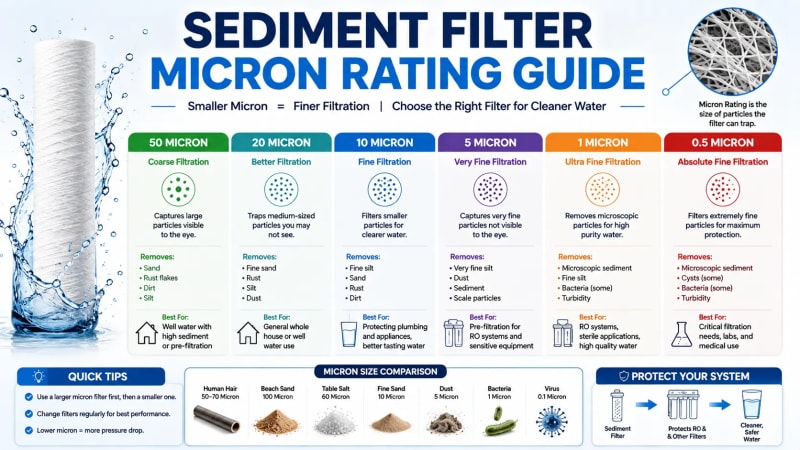
Pre-screening is the first line of defense in water treatment. At this stage, larger particles like sand, rust, and dirt are removed before water moves to deeper cleaning. For buyers, this matters because a simple pre-sediment filter can save money by protecting the more advanced stages that follow. If large debris is not removed, it can clog carbon filters or wear out reverse osmosis membranes faster, leading to higher replacement costs.
In homes, pre-screening filters are often the first cartridge in a whole-house system. Brands such as iSpring and 3M provide pre-sediment filters that block rough particles right at the entry point. This keeps water flowing smoothly and protects appliances such as washing machines, dishwashers, and hot water systems.
The real value for buyers lies in the system-wide protection. Families who invest in pre-screening enjoy fewer plumbing issues, longer-lasting filters, and cleaner water at every tap. By starting strong with pre-screening, the rest of the treatment process becomes more effective, making this a smart first step for any homeowner planning a reliable water treatment setup.
2. Aeration
Aeration is the process of mixing air with water to release unwanted gases and improve freshness. This step clears out odors like sulfur and reduces gases such as carbon dioxide. It also helps remove iron and manganese, which can stain sinks, clothes, and fixtures.
For buyers, aeration is important because it improves both the taste and appearance of water before it even reaches advanced filters. Families notice the difference when water smells fresh and looks clear. It also means less staining on laundry and plumbing fixtures, which saves money on cleaning and repairs.
In larger municipal or commercial systems, aeration has another advantage: it reduces the need for extra chemicals, since some contaminants get removed naturally by air. For households, choosing a system that includes aeration or pairs well with an aeration unit is a smart move. It gives cleaner water, lowers maintenance on appliances, and makes the later stages of treatment more effective.
3. Flocculation
Flocculation is the process in which a special solution, often called a coagulant, is added to water so that tiny particles stick together. These particles form larger clumps known as flocs, which are easier to remove in the next stage. It tackles impurities that are too fine to settle on their own, such as clay, dirt, and organic matter.
Concerns about fluoridation among purchasers raise trust and balance issues regarding water quality. Fluoride is added because it helps families maintain long-term health by strengthening teeth. Advanced systems ensure that the water remains safe by maintaining acceptable levels of fluoride or arsenic.
In both city treatment plants and home-based setups, flocculation plays a key role in reducing risks from hidden contaminants. Families that choose systems designed with effective flocculation enjoy safer drinking water with fewer interruptions, better taste, and stronger protection. For anyone comparing treatment systems, understanding flocculation helps explain why some filters perform better over time.
4. Sedimentation
The stage of sedimentation is when water is held still so that large masses of mud, sand, and other particles sink to the bottom. It is among the easiest but most efficient ways to eliminate bigger impurities before water runs to more delicate filtration. Letting gravity take care of this phase guarantees easier operation and lessens the load on the next filters, therefore enhancing the system.
For buyers, sedimentation matters because it directly protects plumbing, appliances, and household fixtures. Cleaner water reaching taps means fewer stains on sinks, reduced buildup in pipes, and longer life for machines like washing machines or dishwashers. It also means that filters such as carbon or reverse osmosis membranes will not clog as quickly, helping families save on replacement costs.
In both municipal plants and smaller home-based systems, sedimentation gives water a head start in the purification process. Families who invest in systems with effective sediment handling see real improvements in water clarity, system performance, and long-term maintenance savings.
5. Fluoridation
Fluoridation is the stage where a controlled amount of fluoride is added to water to protect dental health. Balanced levels of fluoride lower the risk of tooth decay, especially in children, while keeping water safe to drink. In some systems, this stage also works to remove excess fluoride or arsenic when those levels are naturally too high in the water supply.
Concerns about fluoridation among purchasers raise trust and balance issues regarding water quality. Fluoride is added because it helps families maintain long-term health by strengthening teeth. Advanced systems ensure that the water remains safe by maintaining acceptable levels of fluoride or arsenic.
When done properly, fluoridation improves the overall quality of drinking water without affecting taste or smell. For households choosing a water treatment system, knowing whether fluoride levels in the local supply are high or low is an important step. Matching the right system to those needs ensures both safety and lasting value.
6. pH Adjustment
pH adjustment is the stage where the acidity or alkalinity of water is balanced to safe levels. Water that is too acidic can corrode pipes and appliances, while water that is too alkaline can leave scale and an unpleasant taste. By stabilizing pH, treatment systems ensure that water is safe for families to drink and gentle on home infrastructure.
Buyers, in particular, need this phase as it offers two degrees of security. First, it protects health by guaranteeing the water is safe to drink and by avoiding irritation. Second, it protects investments in plumbing and household equipment by reducing corrosion, scaling, and costly repairs. Families who use systems with effective pH balancing enjoy longer-lasting appliances, fewer plumbing issues, and consistently better-tasting water.
In both residential and commercial systems, pH adjustment adds measurable value. It transforms raw supply into water that not only meets safety standards but also works in harmony with homes and businesses. Buyers who want lasting reliability should look for systems that include strong pH management as part of their treatment process.
7. Filtration
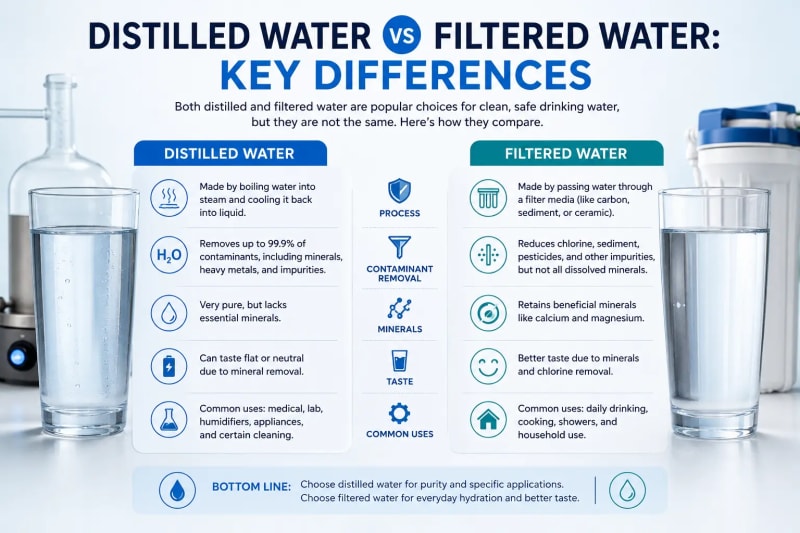
Filtration is the final stage where remaining dirt, chemicals, and microbes are removed from the water. This step uses carbon filters, reverse osmosis membranes, ceramic elements, or UV lights to trap harmful particles and neutralize germs. The result is water that is clean, safe, and ready for drinking or everyday use.
For buyers, filtration represents the assurance that every glass of water is free of hidden risks. It tackles chlorine, heavy metals, pesticides, and bacteria that earlier stages may not completely remove. Families benefit from healthier meals, clearer ice, safer cooking, and better protection for children and adults alike.
Filtration also brings convenience. Many modern systems use quick-change cartridges, smart indicators, and compact designs that fit under sinks or connect to main lines. This means buyers get both safety and simplicity without constant maintenance struggles. Choosing the right filtration system ensures daily access to safe water while adding long-term value by reducing bottled water use and protecting household appliances.
Feature | Pre-screening | Filtration |
|---|---|---|
Main Purpose | Remove large debris | Final purification |
Removes | Sand, rust, dirt | Chemicals, microbes, contaminants |
Position in Process | First stage | Last stage |
Protects Equipment | Yes | No |
Improves Water Clarity | Yes | Yes |
Removes Bacteria | No | Yes |
Removes Chemicals | No | Yes |
Best For | Protecting downstream filters | Producing safe drinking water |
How Does Water Treatment Ensure Safer Drinking With Smart Value?
Water treatment ensures safer drinking by providing families with clean, safe water through the removal of harmful substances that can negatively impact health over time. Untreated water silently harbors bacteria, chemicals, and heavy metals, but a carefully selected system guarantees the protection of every glass, meal, and household use.
At home, treated water gives peace of mind. It supports stronger growth in children, helps adults maintain better health, and reduces stress on organs like the liver and kidneys. Beyond health, treated water is convenient. Families can enjoy safe, fresh water directly from taps, reducing reliance on bottled water, cutting costs, and lowering environmental waste.
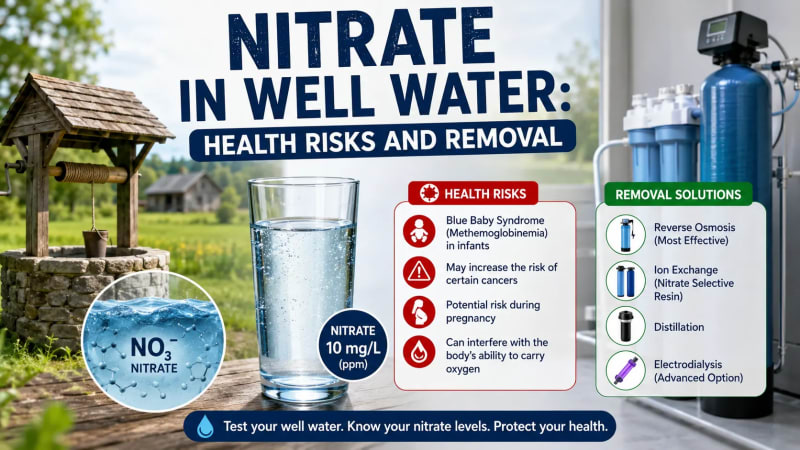
The smartest investment comes when a system is selected based on the water source and specific needs. Homes with well water often require sediment and mineral treatment, while municipal water may need chemical and chlorine removal. Matching the filter to the local water quality ensures lasting results, steady protection for appliances, and cleaner water for everyday use.
Water Filter Way guides families in choosing systems that balance safety, convenience, and value. By understanding features such as filtration stages, maintenance, and certifications, households can confidently invest in solutions that deliver reliable, high-quality water and support long-term wellness.