SpringWell provides multiple whole-house filtration systems designed for different water conditions, like city water, well water, and scale prevention. These systems differ based on contaminant type, flow rate capacity, and treatment mechanism. SpringWell products are divided into the CF series for chlorine removal, WSS systems for well water treatment, Futuresoft for scale control, RO systems for drinking water purification, and UV add-ons for microbial control. CF systems work at 9 to 20 GPM depending on model, WSS systems add oxidation for iron and sulfur removal, and RO systems function as point-of-use membrane filtration units. This filtration lineup addresses different household water demands based on source quality and contamination profile.
Category | Model Series | Core Function | Flow Rate Range | Intended Use |
CF Series | CF1, CF4, CF+ | Carbon filtration (chlorine/VOC removal) | 9 to 20 GPM | City water homes |
WSS Series | WSS1, WSSS | Iron, sulfur, and manganese removal | 12 to 15 GPM | Well water systems |
Futuresoft | TAC system | Scale prevention (no salt) | Whole-house flow | Hard water conditioning |
RO System | Under-sink RO | TDS + contaminant removal | 75 to 100 GPD | Drinking water |
UV Add-on | UV system | Microbial disinfection | Inline stage | City/well hybrid protection |
What Products Does SpringWell Currently Offer Across Its Lineup?
SpringWell offers five core categories of water filtration products. Whole-house carbon filters, well water filtration systems, salt-free water conditioners, reverse osmosis drinking water systems, and UV disinfection add-ons. These systems are designed for specific contaminant classes and water sources rather than overlapping functions. The CF series includes CF1, CF4, and CF+ systems, which use catalytic carbon media to reduce chlorine and volatile organic compounds in municipal water supplies. The WSS series targets groundwater contamination and removes iron levels up to 7 PPM, sulfur compounds, and manganese using oxidation-assisted filtration. Futuresoft systems use Template Assisted Crystallisation (TAC) technology to convert hardness minerals into inactive crystals without sodium exchange. SpringWell also produces under-sink RO systems that reduce dissolved solids (TDS) using membrane filtration with pore sizes around 0.0001 microns. UV add-ons work as final-stage disinfection units, killing bacteria and viruses in both city and well water systems. This filtration setup has different treatment roles clearly across contamination type, flow demand, and application point.
How Do SpringWell CF Series Models Differ from Each Other?
SpringWell CF series models differ from each other based on flow rate capacity and household coverage size. Filtration chemistry remains the same in all CF1, CF4, and CF+ models, which all use catalytic carbon media for chlorine and VOC reduction. CF1 works at 9 GPM and is designed for small homes with 1 to 3 bathrooms. CF4 gives 12 GPM and supports medium households with 3 to 5 bathrooms. CF+ provides up to 20 GPM and is used in large homes with 5 plus bathrooms or higher water demand. All CF systems provide the same contaminant removal performance, higher GPM does not increase filtration quality but increases flow. System selection depends on household demand rather than perceived filtration strength.
What Makes SpringWell Well Water Systems Different from Carbon Filters?
SpringWell well water systems differ from carbon filters because they target iron, sulfur, and manganese instead of chlorine-based contaminants. CF systems are made for municipal water, while WSS systems are designed for untreated groundwater conditions. WSS systems use air injection oxidation to convert dissolved iron (Fe²⁺) into solid particles that can be filtered out. These systems handle iron up to 7 PPM. Sulfur compounds responsible for the hydrogen sulfide odour are also oxidised and removed through filtration media. Manganese reduction occurs through catalytic contact processes within the system tank. Carbon filters cannot effectively treat dissolved metals or strong sulfur odours because adsorption capacity is limited to organic compounds and disinfectant byproducts. WSS systems are therefore engineered for groundwater chemistry, not chlorine removal. This difference prevents system mismatch for correct contaminant targeting, based on water source composition.
How Does SpringWell Futuresoft Compare to Traditional Water Softeners?
SpringWell Futuresoft differs from traditional water softeners because it does not remove hardness minerals such as calcium and magnesium. Instead, it uses Template Assisted Crystallisation (TAC) to convert dissolved hardness into stable microscopic crystals. These crystals do not come to plumbing surfaces, reducing scale formation in pipes, heaters, and appliances. Unlike sodium-based ion exchange softeners, Futuresoft does not require salt regeneration cycles or wastewater discharge. Traditional softeners remove calcium ions entirely through ion exchange, which improves soap lathering and reduces water spotting. Futuresoft maintains mineral content but changes mineral behaviour rather than composition. Futuresoft is therefore called a scale prevention system rather than a full softening system.
Does SpringWell Offer Systems for Drinking Water Filtration?
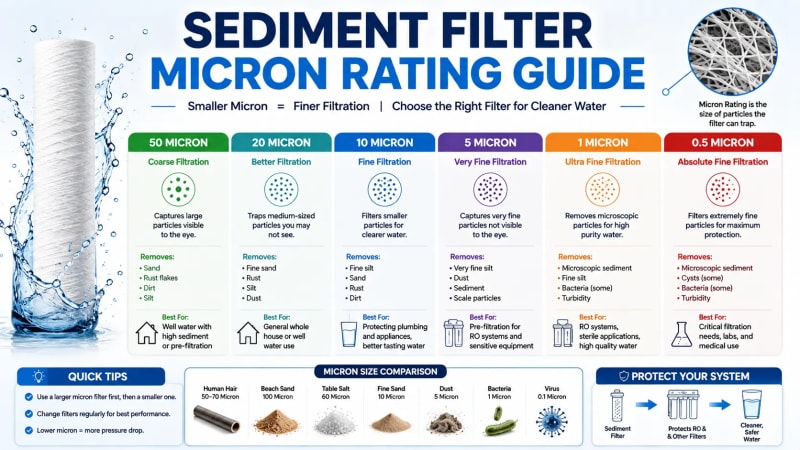
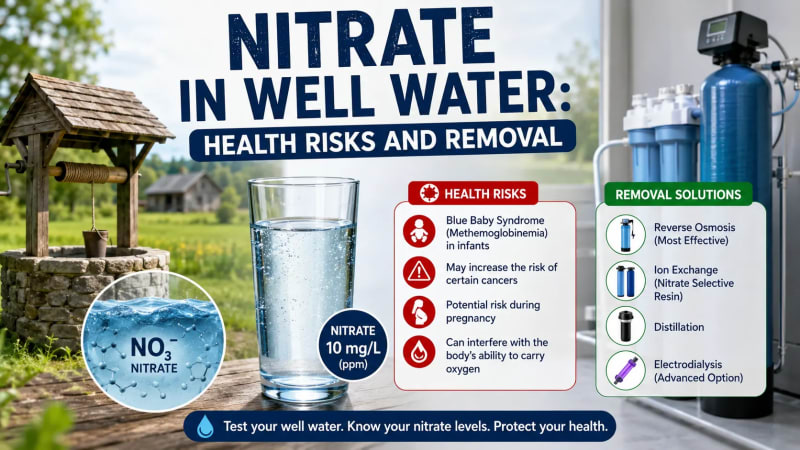
SpringWell provides under-sink reverse osmosis (RO) systems designed for drinking water purification at the point of use. These systems work separately from whole-house filtration units and focus on high-precision contaminant removal. RO systems use a semipermeable membrane with approximately 0.0001-micron pore size to reduce dissolved solids (TDS), heavy metals, fluoride, nitrates, and other microscopic contaminants. Typical TDS reduction rates is 90% depending on feed water quality. The system includes multiple stages such as sediment pre-filtration, carbon pre-treatment, RO membrane filtration, and post-carbon polishing. This layered design improves taste stability and contaminant reduction accuracy for drinking applications.
Why Do Some SpringWell Systems Include UV Add-Ons?
SpringWell UV add-ons provide microbial disinfection for water systems where bacteria, viruses, or pathogens are present. UV systems are installed in well water setups or as final-stage protection in hybrid filtration systems. UV disinfection works by exposing water to ultraviolet light at germicidal wavelengths, which disrupts microbial DNA and prevents reproduction. This process does not add chemicals or change water composition. They are not always required for municipal water systems where chlorine already provides disinfection residuals. Users on forums often question its necessity, but UV is primarily a risk-based extra feature for microbial safety rather than a universal requirement. Its use depends on the source water microbiological profile and system design.
Is SpringWell a Premium Brand or Just Marketing? (Myth-Busting)
SpringWell is a premium water filtration brand based on system engineering, flow rate capacity, materials, and warranty structure rather than branding alone. CF and WSS systems use large-capacity tanks designed for whole-house flow rates up to 20 GPM, which supports multi usage. Structural design includes backwashing capability in certain systems, reducing cartridge dependency and extending media life up to 5 to 10 years, depending on water quality. Warranty spans multiple years across components, reflecting durability expectations in residential water treatment systems. Build quality focuses on reinforced tanks and high-capacity media beds rather than disposable cartridge architecture. SpringWell, therefore, has premium positioning through engineering specifications rather than marketing language alone.
How Much Maintenance Do Different SpringWell Systems Require?
SpringWell system maintenance varies based on filtration type, backwashing systems need less maintenance than cartridge-based or RO systems. CF and WSS backwashing systems clean media automatically every few days or weeks, depending on usage, and have media lifespans ranging between 5 and 10 years. Futuresoft systems need minimal maintenance because TAC media does not require salt or chemical regeneration. RO systems require periodic filter replacement, every 6 to 12 months for pre-filters and 2 to 3 years for membranes, depending on water quality and TDS levels. UV systems require annual lamp replacement for disinfection efficiency. SpringWell systems are therefore maintenance-structured rather than maintenance-free.
Which SpringWell System Should You Choose Based on Your Water Type?
Choose CF series systems for city water users because they target chlorine and VOC compounds common in municipal supply lines. Well water users select WSS systems due to iron, sulfur, and manganese contamination profiles. Hard water conditions are solved using Futuresoft TAC conditioning systems that reduce scale formation without salt. Drinking water purification requires RO systems for dissolved contaminant removal at the point.
Water Type | Recommended System | Problem It Solves | Key Technology |
|---|---|---|---|
City water | CF series (CF1 / CF4 / CF+) | Chlorine and VOC compounds from municipal supply lines | Catalytic carbon filtration |
Well water | WSS series (WSS1 / WSSS) | Iron sulfur and manganese contamination | Air injection oxidation filtration |
Hard water | Futuresoft TAC system | Scale formation in pipes heaters and appliances | Template Assisted Crystallisation (no salt) |
Drinking water | Under-sink RO system | Dissolved contaminants TDS fluoride and heavy metals | Membrane filtration at point of use |
How Do SpringWell Systems Perform Under High Water Demand?
SpringWell systems maintain performance under high water demand when the flow rate is correctly matched to household usage. CF1, CF4, and CF+ systems are designed to handle different usage loads across multiple fixtures. Undersized systems reduce pressure during peak demand, especially when showers, washing machines, and dishwashers work at the same time. Proper sizing helps maintain pressure.
System | Water Type | Problem It Solves | Result |
|---|---|---|---|
CF series (CF1 · CF4 · CF+) | City water – 9-20 GPM | Chlorine, VOCs, taste & odour from disinfectants | Clean-tasting city water |
WSS series (WSS1 · WSSS) | Well water – 12-15 GPM | Iron (up to 7 ppm), sulfur odour, manganese | Clear, odour-free well water |
Futuresoft (TAC system) | Hard water – no salt | Scale buildup in pipes, heaters & appliances | Scale-free plumbing, no sodium |
RO system (Under-sink RO) | Drinking water – 75-100 GPD | TDS, fluoride, heavy metals, nitrates | Purified drinking water |
UV add-on (Inline UV stage) | City + well – final-stage | Bacteria, viruses, pathogens in water supply | Microbe-free safe water |